Spring Suspension Check Checklist — What Mechanics Actually Inspect
Ball joints, control arms, shocks, struts, bushings, and tie rods. We break down what each part does and when it needs attention.
Why Spring Checks Matter
Winter's rough. Salt, potholes, freezing temperatures — they all take a toll on your suspension. By spring, components that were fine in fall might be wearing out. That's why mechanics run through a systematic inspection before you notice anything wrong. You'll catch small issues before they become expensive repairs.
The suspension system is what connects your car to the road. When parts wear out, you'll feel it through bouncing, uneven tire wear, and pulling to one side. But you don't need to wait for symptoms. A spring inspection catches problems early — and that saves money.
Ball Joints & Control Arms — The Connection Points
Ball joints are like the shoulders of your suspension. They connect the control arms to the steering knuckle and allow movement in all directions. When they wear out, you'll get clicking noises from the front end or feel play in the steering wheel.
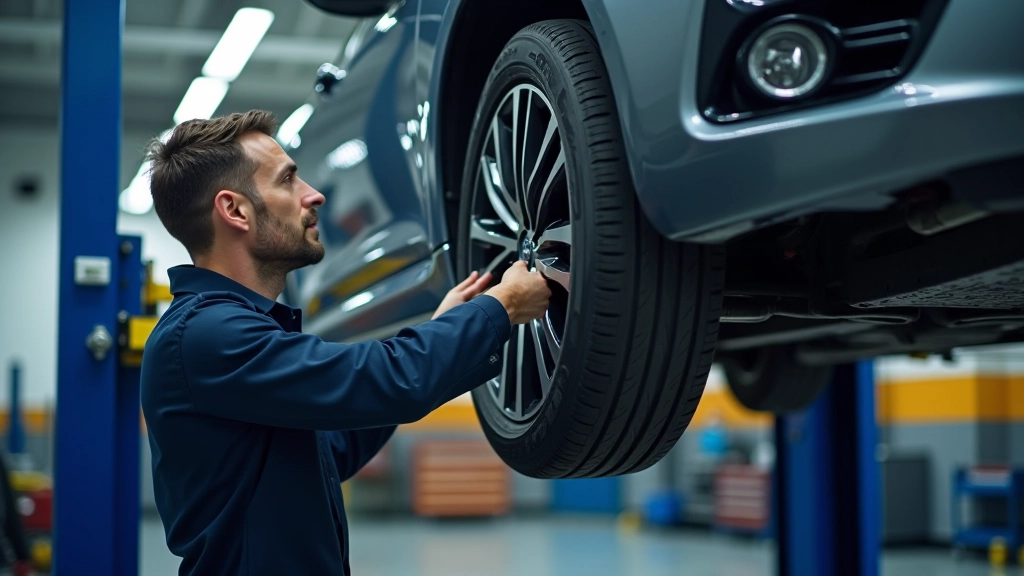
Mechanics grab the tire at 12 and 6 o'clock and try to move it vertically. Any movement means the ball joint's done. It's a simple test but tells you everything. Control arms are the horizontal bars that hold the wheel in place. They're attached to ball joints at both ends, so they wear together. If one's bad, the other's usually not far behind.
We typically see ball joint failure around 80,000 to 150,000 kilometers depending on driving conditions. Winter salt accelerates this. Replacement isn't cheap — you're looking at labor-intensive work — but it's non-negotiable for safety.
Shocks & Struts — Controlling the Bounce
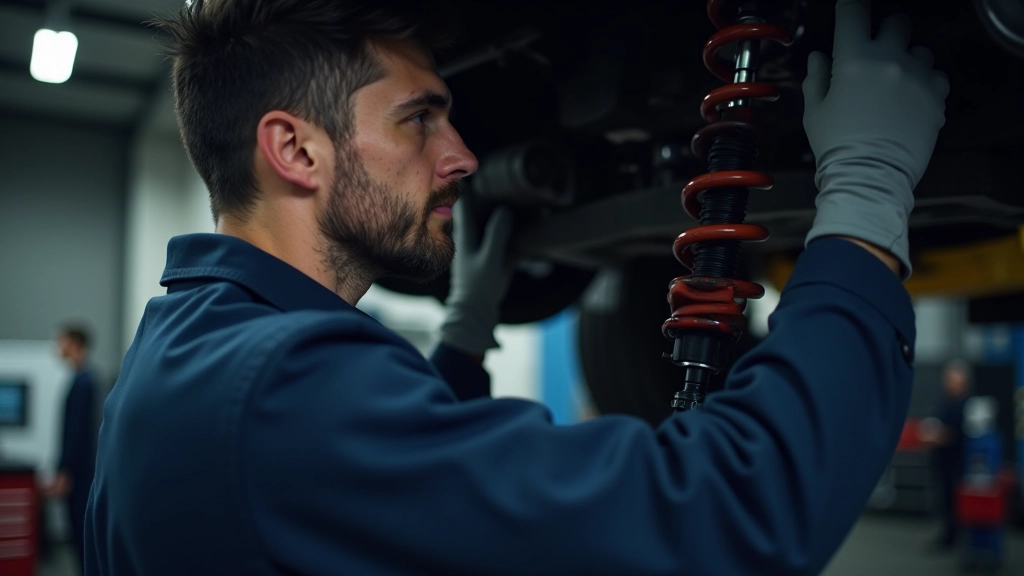
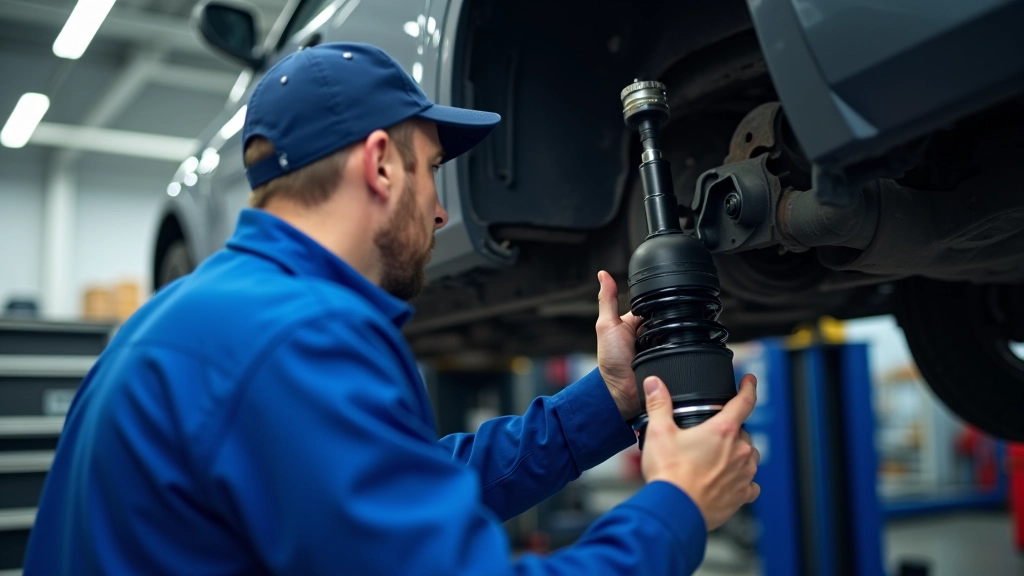
Shocks and struts do the same job but in different packages. Shocks are standalone components on rear suspensions (or some front ends). Struts are integrated units that combine the shock absorber with the spring and steering knuckle attachment. They're what prevent your car from bouncing like a pogo stick after hitting a bump.
A failing shock or strut means the suspension can't dampen movement properly. You'll notice the car continuing to bounce after a bump, or it'll feel unstable in corners. The test is straightforward: push down on each corner of the car and let go. It should return to normal height once or twice. If it bounces multiple times, the component's worn out.
They typically last 80,000 to 100,000 kilometers. Most mechanics recommend replacing them in pairs — front shocks together, rear struts together. Otherwise, the new one absorbs more force and fails prematurely.
Educational Information
This article is informational and educational in nature. Suspension inspection and repair should be performed by qualified automotive technicians. Every vehicle is different, and specific repair needs depend on your car's age, mileage, and condition. We recommend consulting with a certified mechanic to assess your vehicle's individual suspension requirements.
Bushings & Tie Rods — The Small Parts That Matter
Bushings are rubber or polyurethane components that dampen vibration and allow movement between metal parts. They're everywhere in the suspension — connecting control arms to the frame, stabilizer bars, and tie rods. When they wear out, you'll hear clunking noises and feel looseness in the steering.
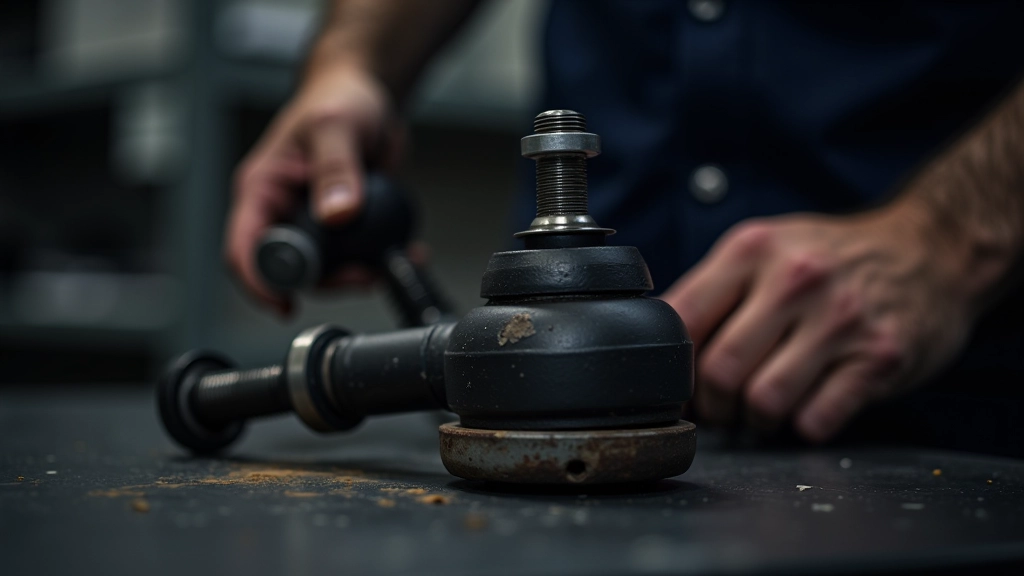
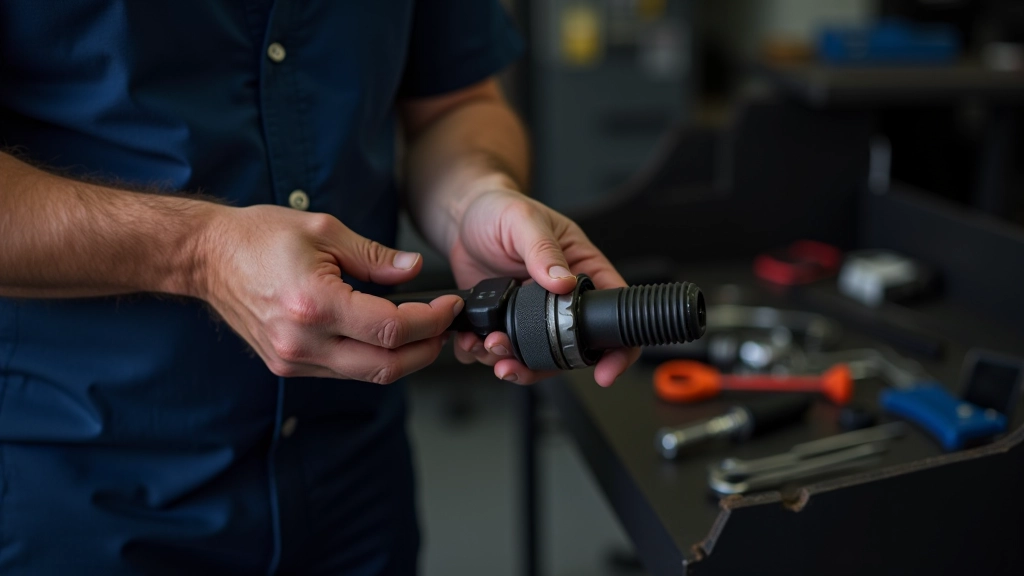
Tie rods connect the steering rack to the steering knuckles. They're what actually turns your wheels when you turn the steering wheel. Worn tie rod ends cause steering play and uneven tire wear on the inside or outside edge. You'll notice the steering wheel feeling loose or the car pulling to one side.
Mechanics check these by hand — grabbing the tie rod and checking for movement in the ball joint, and inspecting bushings visually for cracks or deterioration. It's quick but essential. Worn bushings can actually cause suspension geometry to shift, which throws off your alignment.
What the Inspection Actually Looks Like
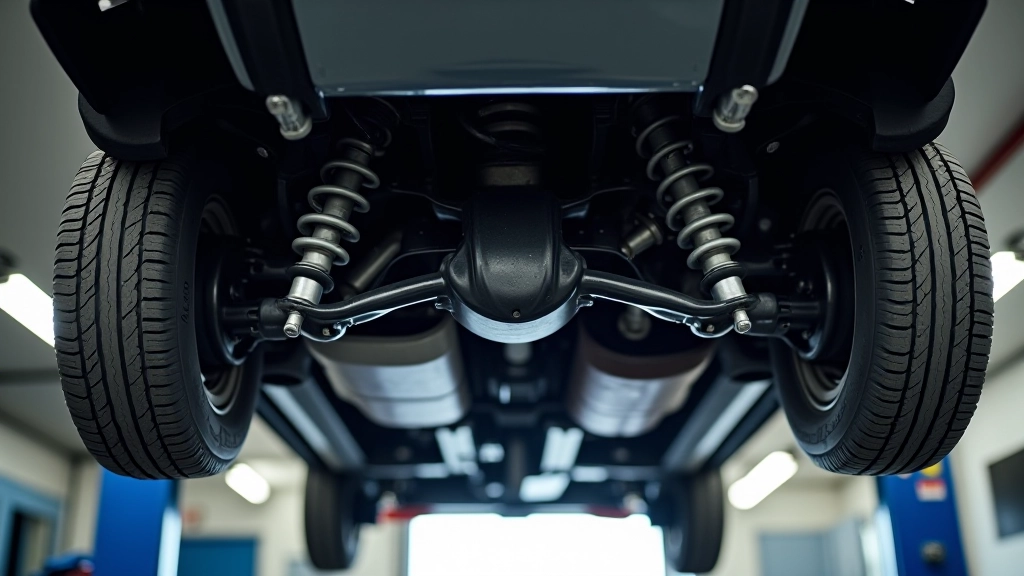
A proper spring suspension inspection takes 30 to 45 minutes. The car goes on a lift, and the mechanic starts from the front. They grab each wheel and check for play in the ball joints, inspect control arms for cracks, and examine bushings for splits. Then they move to the shocks and struts — visual inspection for leaks or damage, and the bounce test to check damping.
Tie rods get the hand test. The mechanic grabs near the ball joint and checks for looseness. They'll also look at the steering rack boots to make sure they haven't split and allowed grease to escape. Finally, they check the stabilizer bar links and bushings, and inspect the springs themselves for cracks.
It's thorough and methodical. A good mechanic knows what they're looking for — not just obvious damage, but early warning signs. Slight cracks in bushings, a tiny amount of play in a ball joint, subtle fluid leaks on shocks. That's the difference between catching something now versus dealing with it on the side of the road later.

The Bottom Line
Spring's the perfect time to have your suspension checked. Winter damage is visible, components are still relatively fresh before summer heat adds more stress, and you've got time before you're loading the car for road trips. The inspection itself is inexpensive — usually under $100. What you prevent with early detection can save you thousands.
Don't wait for symptoms. A bouncy ride or loose steering feels normal until it doesn't. By then, you're dealing with multiple failed components instead of one worn part. Schedule the inspection now. It's the smart move.
Related Articles