Tire Pressure 101 — Why It Matters More Than You Think
Under-inflated tires wear faster, use more fuel, and affect suspension performance. Here's how to check and adjust correctly.
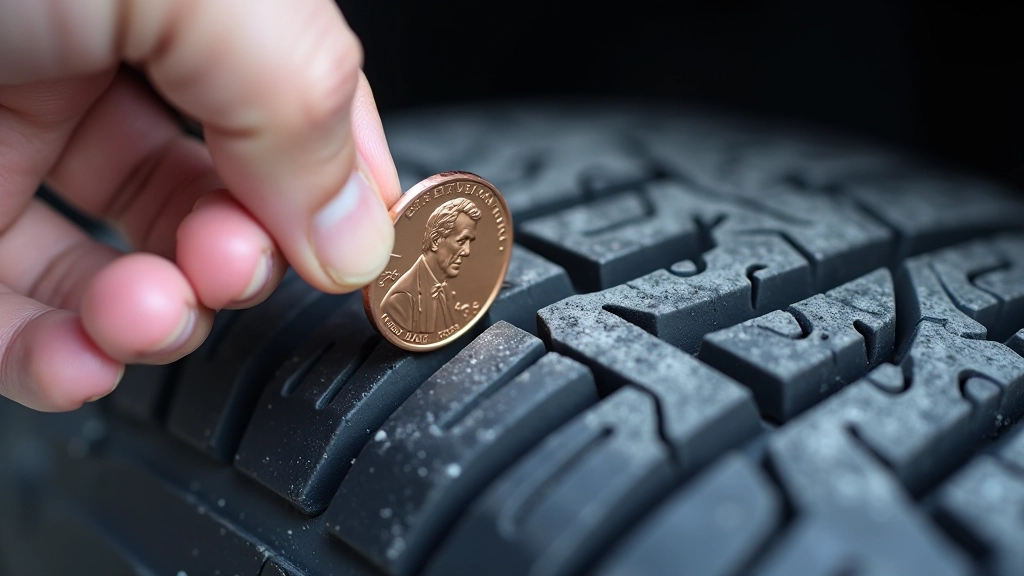
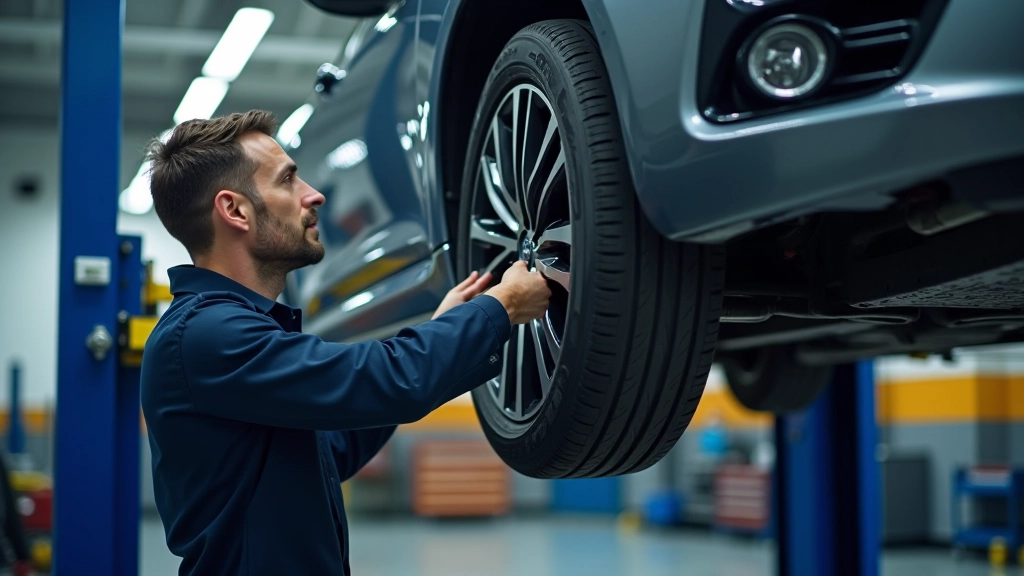
Proper tire pressure affects fuel economy, tire lifespan, safety, and your suspension system. Most drivers ignore it — but it's one of the easiest maintenance tasks you can do.
Why Your Tire Pressure Actually Matters
You've probably heard "check your tire pressure" a hundred times. It sounds boring. But here's the thing — tire pressure is one of those maintenance items that directly impacts your wallet, your safety, and how long your car lasts.
Under-inflated tires generate more heat as they flex. This wears the rubber faster, especially at the edges. Over-inflated tires don't grip the road properly and wear more in the center. Either way, you're replacing tires sooner. Plus, incorrect pressure affects fuel economy — sometimes by 3-5% without you even noticing.
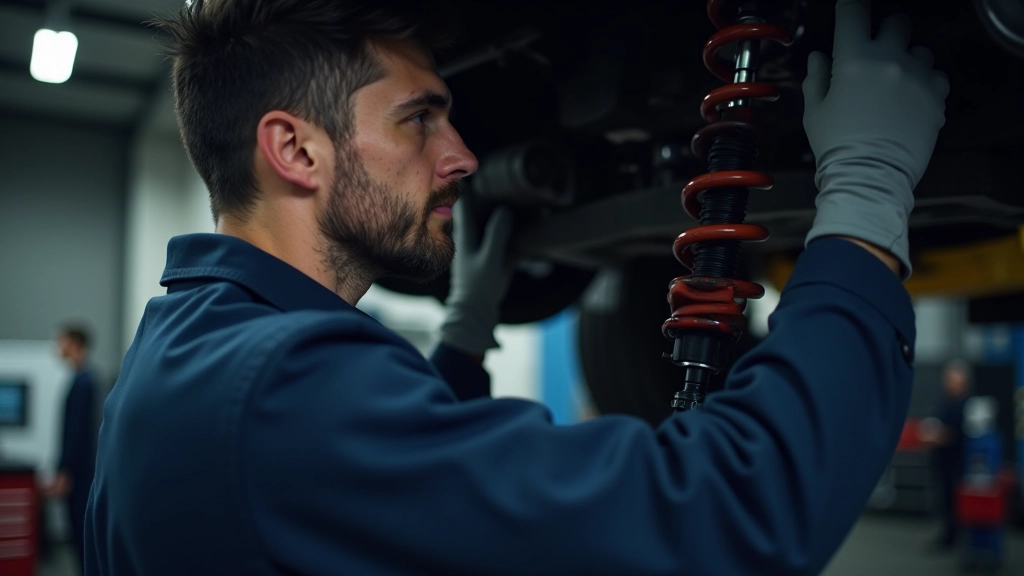
And here's what most people miss: tire pressure affects your suspension. When tires are soft, your suspension has to work harder to absorb bumps. That means more stress on shocks, struts, and bushings. We're talking about potential suspension damage that'll cost hundreds to fix, just from not checking pressure regularly.
PSI, BAR, and What the Numbers Mean
PSI stands for "pounds per square inch." It's how we measure tire pressure in most of the world. One PSI is literally one pound of force pressing on one square inch of surface.
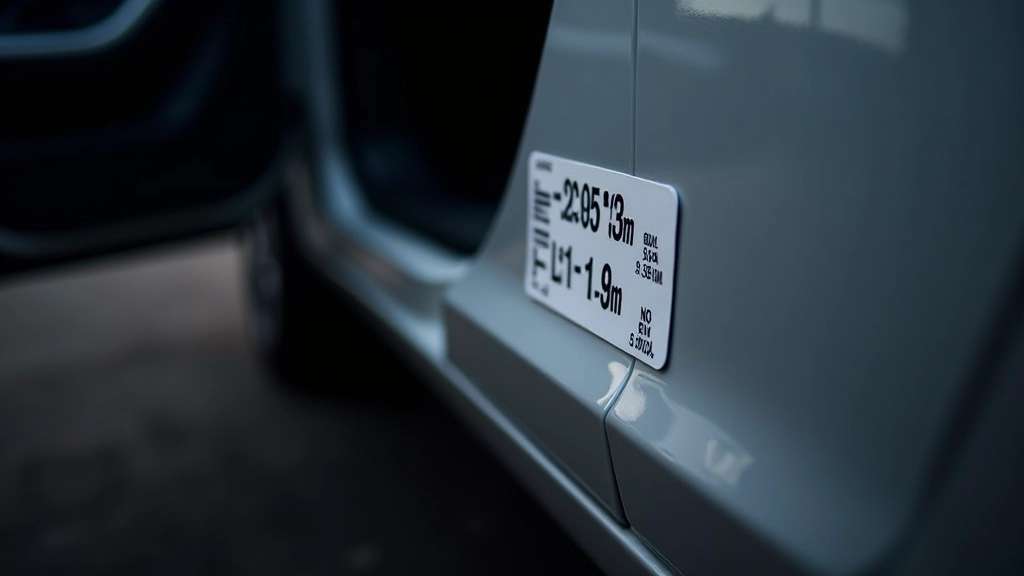
Your car's correct pressure isn't written on the tire itself. Look for a white label on the driver's side door jamb, or in your owner's manual. That's your car's recommended pressure — maybe 32 PSI, maybe 35 PSI, depends on the vehicle. That number is calculated specifically for your car's weight and suspension setup.
The number on the tire sidewall? That's the maximum pressure the tire can safely handle. Not the recommended pressure. Don't inflate to that number — you'll wear out the center of your tire and get a harsh, uncomfortable ride.
Key Point
Check your manufacturer's recommended pressure, not the tire's maximum. One's for your car. The other's a safety limit.
Educational Information
This article provides educational information about tire pressure maintenance. It's not a substitute for professional automotive service. Always follow your vehicle manufacturer's recommendations. If you're unsure about tire pressure, suspension condition, or any vehicle maintenance, consult a qualified mechanic or automotive technician. Individual vehicle conditions vary — what's written here applies generally, but your specific car may have different requirements.
How to Check Tire Pressure the Right Way
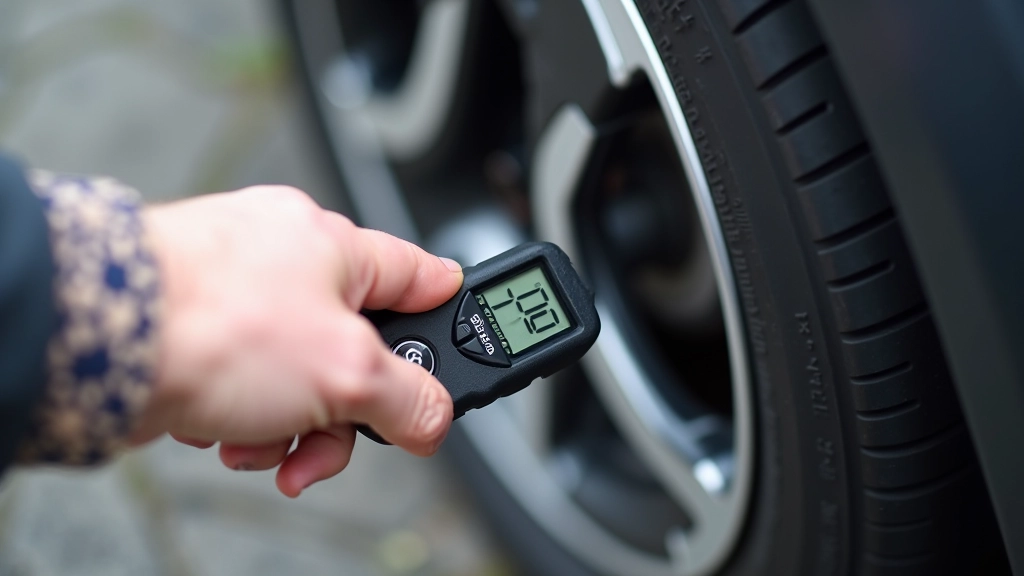
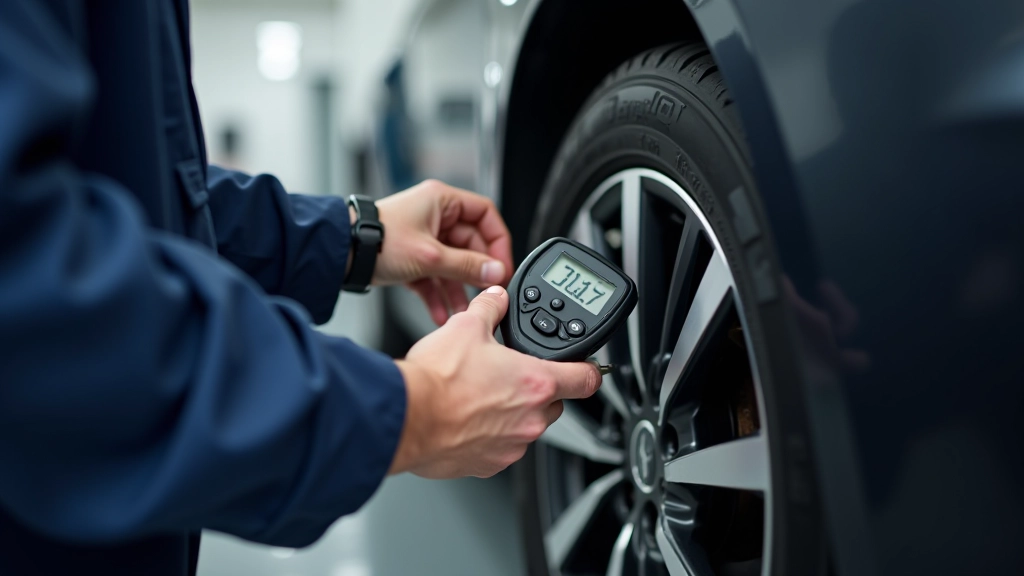
You need two things: a tire pressure gauge and about five minutes. Gauges cost $8-15 at any auto parts store. Digital ones are more accurate than stick-type, but either works.
Here's the process. First, check pressure when tires are cold — meaning the car's been parked for at least three hours, or you haven't driven more than a couple kilometers. Warm tires read higher because the air inside expands. That gives you a false reading.
Remove the valve cap from the tire. Press your gauge onto the valve stem — you'll hear a tiny hiss of air. Read the number. Don't guess at it. Write it down if you want. Do all four tires. Then put the caps back on.
Compare your readings to the recommended pressure on that door jamb label. If you're 2-3 PSI low, add air at a gas station. Most have free air pumps. If you're over, you'll need to let some out — press the valve stem with a small tool to release air.
Check your pressure monthly. Seriously. Takes five minutes and prevents a lot of problems down the line.
What Happens When You Ignore It
Tire Wear
Under-inflated tires wear faster on the edges. Over-inflated wear in the middle. Either way, you're replacing tires years earlier than you should. That's $400-600 you didn't plan to spend.
Fuel Economy
Under-inflated tires increase rolling resistance. Your engine works harder to move the car. You're not imagining it when your fuel economy drops — it's real. Even 3-5% adds up over a year.
Handling & Safety
Soft tires don't grip the road properly. Cornering feels mushy. Braking distance increases. In an emergency, that matters. Hard tires give a rough ride and also reduce grip. You're not driving as safely as you think.
Suspension Damage
Soft tires mean your suspension absorbs more shock. Shocks, struts, and bushings wear faster. Eventually you're looking at $500-1500 in suspension repairs. All because tires weren't at the right pressure.
Temperature Changes & Pressure
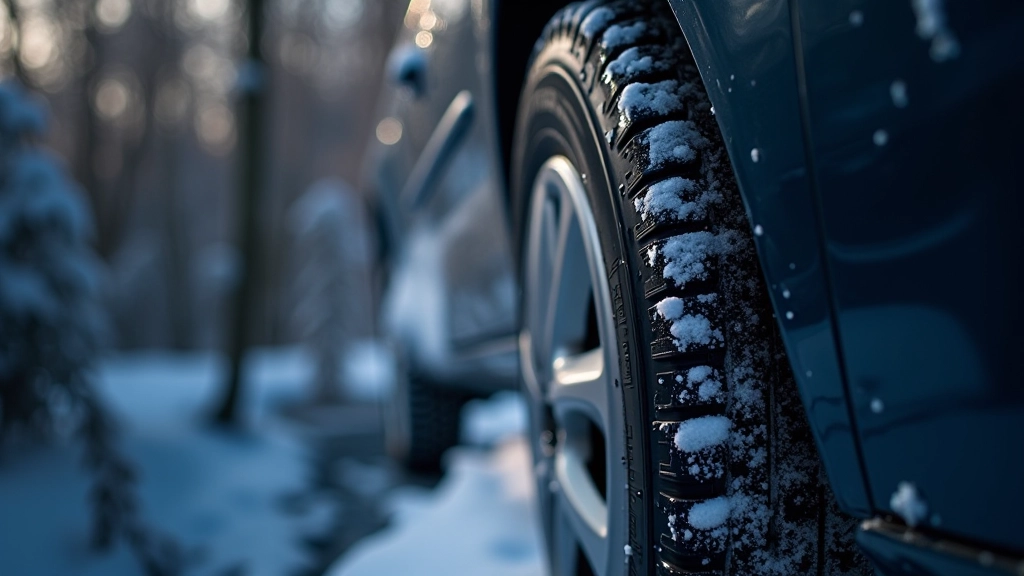
Here's something most people don't realize: tire pressure changes with temperature. For every 10 degrees Celsius drop in outside temperature, tire pressure drops about 1 PSI. In winter, when it's cold, your tires lose pressure just sitting there.
This means you might need to check and adjust pressure more often in winter. Spring and fall? Usually okay. Summer? Watch for over-inflation as temperatures climb. It's not complicated, but it's something to keep in mind when you notice your tire pressure warning light flickering in cold months.
The good news is the fix is simple. Check pressure when it's cold outside. Adjust if needed. Done. Most modern cars have tire pressure monitoring systems that'll alert you if something's wrong anyway.
Tools You'll Actually Use
You don't need expensive equipment. Here's what works.
Digital Tire Pressure Gauge
$10-20. More accurate than stick gauges. Reads quickly. Has a small backlit display. You'll actually use this because it's simple. Keep one in your glove box.
Air Compressor (Optional but Useful)
$30-80 for a decent portable one. Saves trips to the gas station. Plugs into your 12V power outlet. If you check pressure regularly, this pays for itself in convenience. Not essential, but nice to have.
Gas Station Air Pump
Free. Works fine. Most gas stations have them. No excuse not to use one. Takes two minutes to add air if you need to.
The Bottom Line
Tire pressure isn't glamorous. Nobody gets excited about it. But it's one of the easiest ways to protect your tires, improve fuel economy, and reduce stress on your suspension. Five minutes a month. That's all it takes.
Get a gauge, know your car's recommended pressure, check monthly when tires are cold, and adjust as needed. It's not complicated. And when your tires are still good at 60,000 km instead of worn out at 40,000 km, you'll be glad you did.
Want to learn about other suspension issues? Check out our guide on spotting suspension problems before they get expensive.
Read the Suspension Guide
Related Articles