How to Spot Suspension Problems Before They Get Expensive
Learn the warning signs — bouncing, uneven tire wear, pulling to one side — and what each one means for your vehicle's health.
Why Suspension Matters
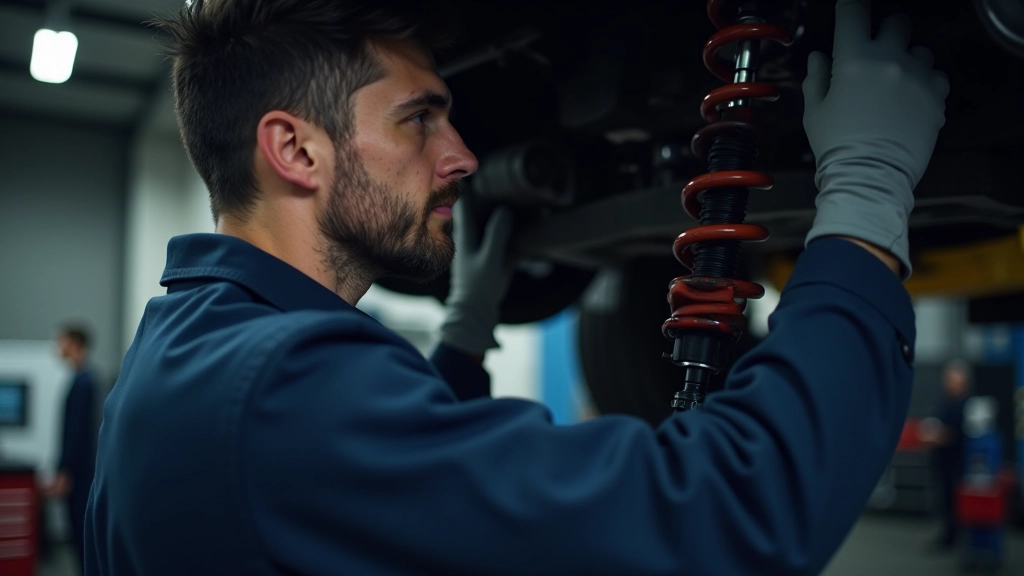
Your suspension isn't just about comfort — it's keeping your car safe and your tires lasting. When suspension components wear out, they affect how your vehicle handles, brakes, and grips the road. The good news? You don't need to be a mechanic to spot problems early.
Most suspension issues start small. A slight bounce here, a weird noise there. But ignore them, and you'll end up with expensive repairs — sometimes $1,000 to $4,000+ depending on what fails. We're going to walk through the signs you should watch for and what they actually mean.
Excessive Bouncing After Bumps
When you hit a pothole or drive over railroad tracks, your car should settle down quickly. If it keeps bouncing for several seconds — bobbing up and down like it's on a spring — that's a red flag.
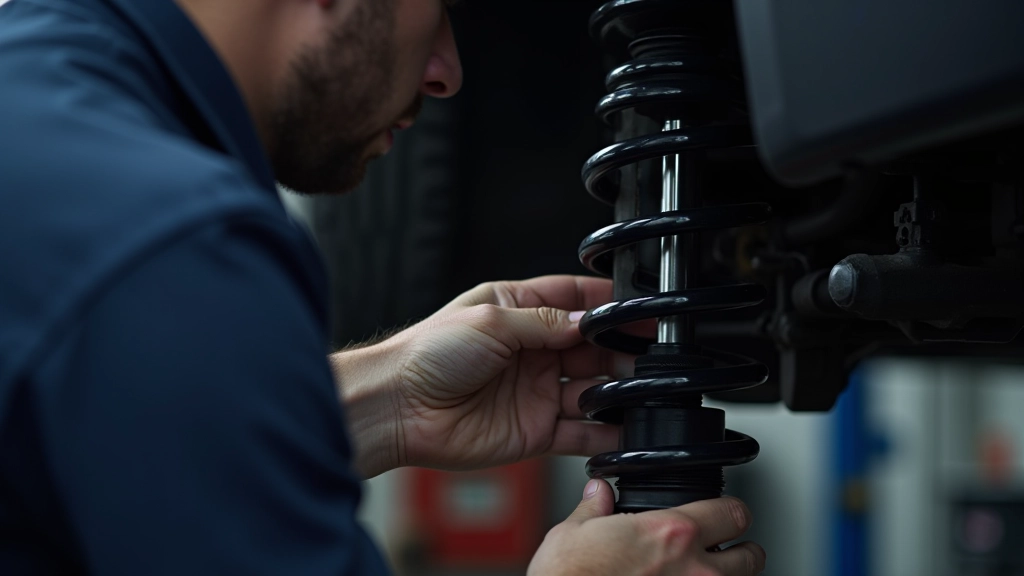
This usually means your shocks or struts are worn out. Shocks absorb impact energy and control how your suspension moves. When they fail, they can't do their job properly. You'll notice this especially when braking — worn shocks make your front end dive forward more than it should.
What to do
- Get shocks or struts inspected (this usually costs $50-150 for diagnosis)
- Replacement typically runs $300-800 per corner depending on your vehicle
- Don't ignore this — worn shocks affect braking distance and handling
Important Note
This guide is educational and informational. The signs described here are general indicators that warrant professional inspection. Every vehicle is different — what you experience may have multiple causes. Always have a qualified mechanic diagnose suspension issues. This content isn't a replacement for professional mechanical advice or service.
Uneven Tire Wear Patterns
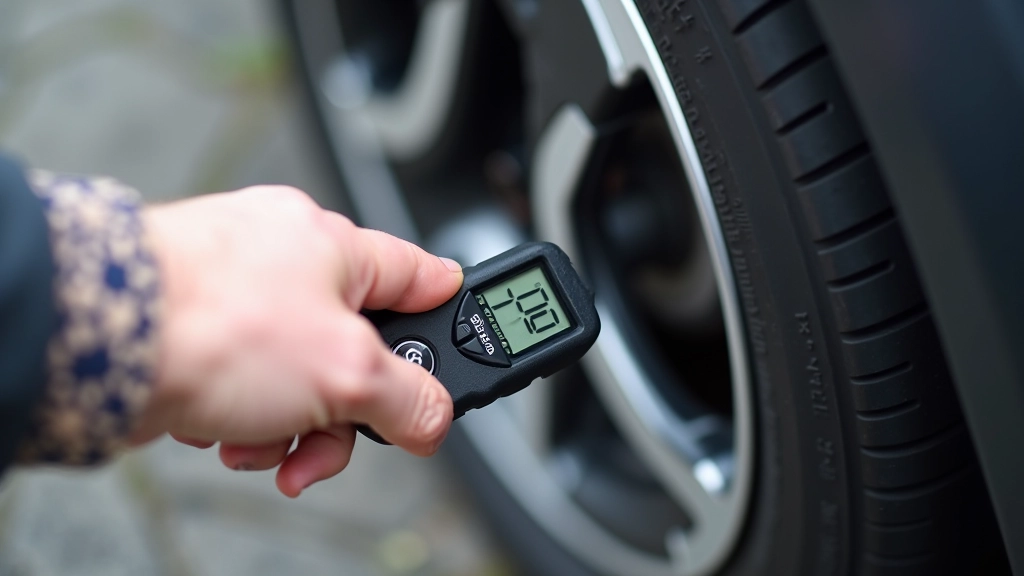
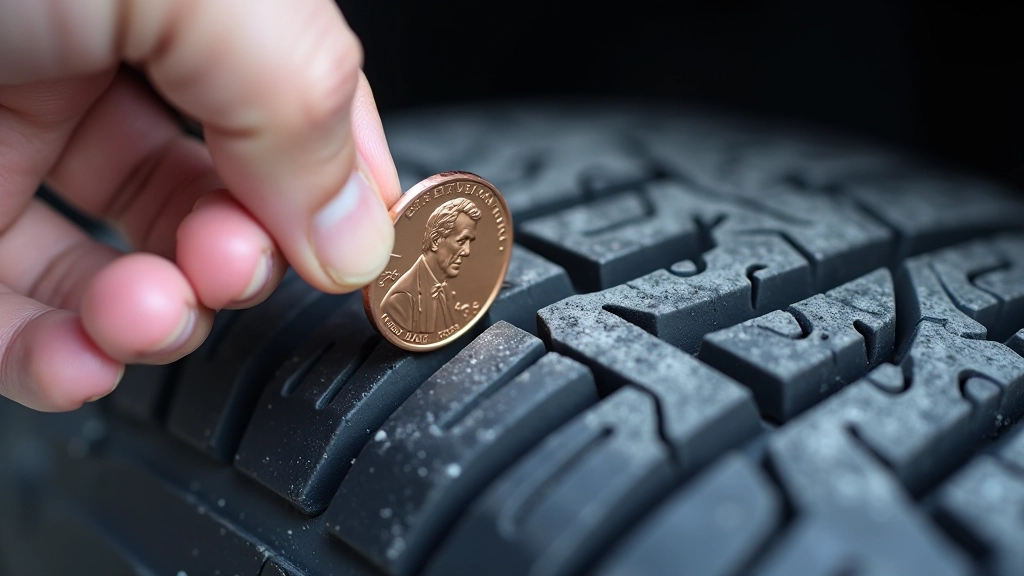
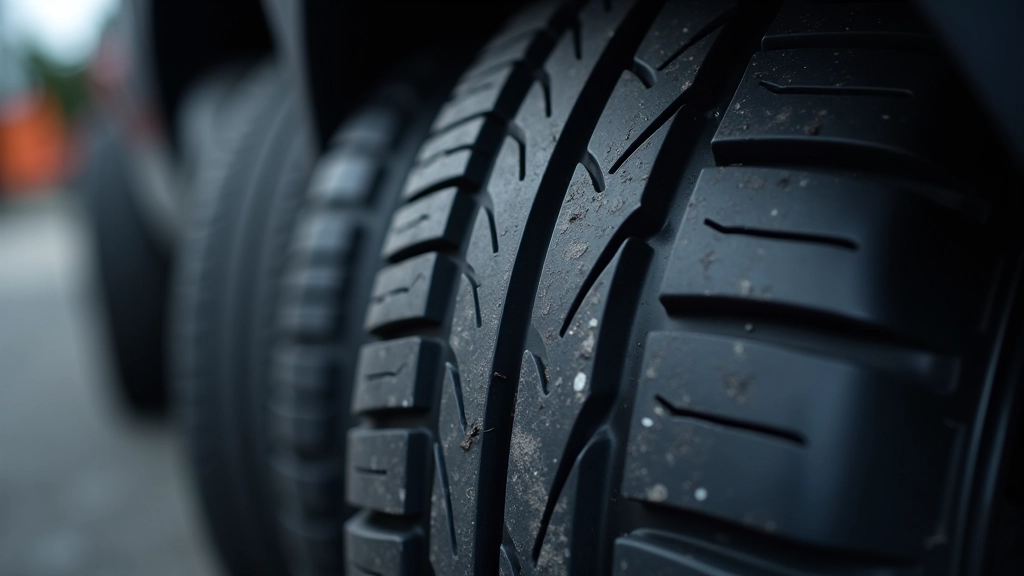
Look at your tires closely. Run your hand across the tread. Is one edge wearing faster than the middle? That's alignment — suspension problem. Is the wear spotty and cupped? That's typically shock issues.
Worn suspension components throw off your wheel alignment. Misalignment makes tires wear unevenly and faster. You might notice the inner edge of your front tires wearing down while the outer edge stays fine, or vice versa. Some people describe it as "feathering" — tread that's worn down on one side of each rib.
This matters because bad tire wear means you're replacing tires way sooner than you should. Good tires last 40,000 to 60,000 miles. Misaligned suspension can cut that down to 20,000 miles.
Pulling to One Side While Driving
If your car drifts left or right when you're on a straight road, that's alignment. Most people assume it's brakes, but it's usually suspension. The car should track straight without you fighting the wheel.
Pulling can come from several sources. Worn ball joints, damaged control arms, or bent suspension components throw off alignment angles. You might also hear creaking or clunking sounds from the suspension when turning sharply — that's often a bad ball joint.
Quick test
Drive on an empty road at slow speed with your hands lightly on the wheel. If the car drifts, get an alignment check. It's usually $75-150 and can reveal what's actually wrong with your suspension.
Clunking and Creaking Noises
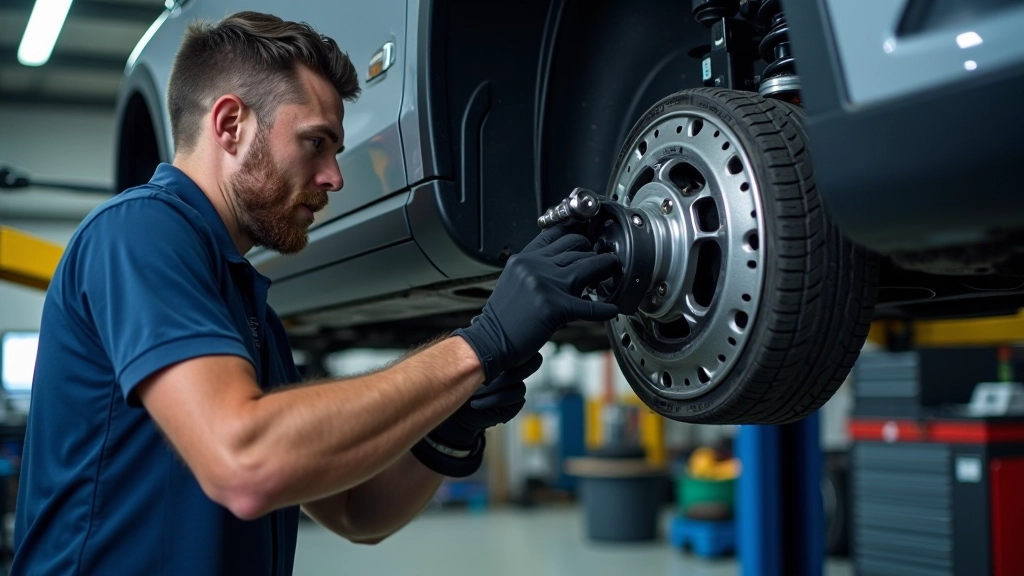
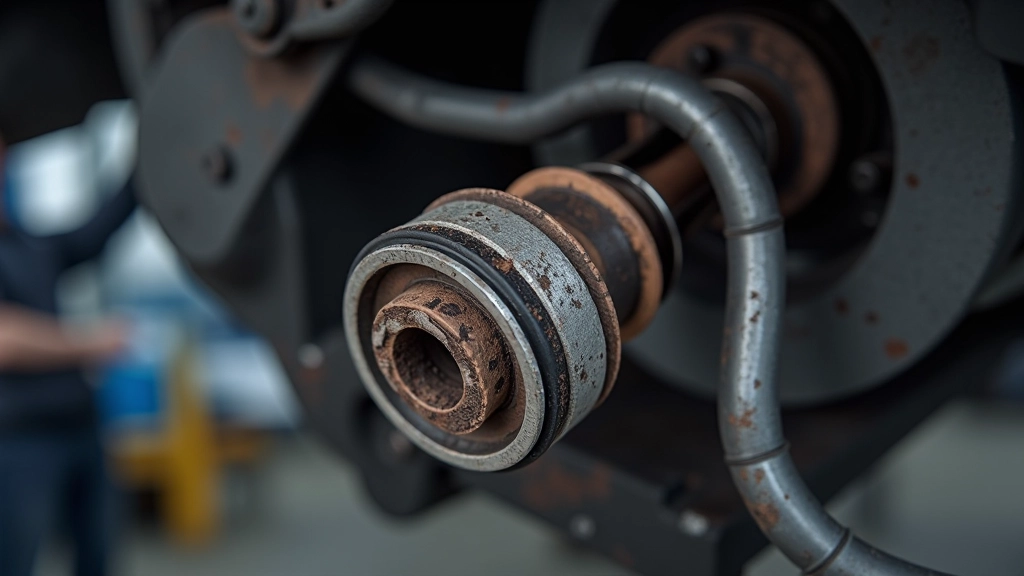
Suspension should be quiet. If you hear clunking sounds when going over bumps, or creaking when turning corners, something's loose or worn out. These noises usually come from ball joints, bushings, or struts that are failing.
A clunk typically means there's play in a connection — a joint that's supposed to be tight has worn out. Creaking often means rubber bushings have deteriorated. Both need attention soon. The longer you wait, the more damage spreads to other parts.
Don't assume it's something minor. Bad ball joints can fail suddenly, making your car unsafe to drive. We've seen cars where a small clunking noise turned into a $3,000 repair because the owner waited too long.
Nose Diving When Braking
When you brake hard, your front end should dip slightly — that's normal weight transfer. But if it dips dramatically, like your car is pitching forward aggressively, that's worn shocks or struts. A well-functioning suspension keeps your car level during braking.
This sign matters for safety. Excessive brake dive affects your stopping distance and makes the rear tires more likely to lock up in emergency braking. You're losing control stability exactly when you need it most.
It's one of the easier signs to spot. Pay attention to how your car feels when you brake on the highway. Compare it to a friend's car if you can — the difference becomes obvious pretty quickly.
What Happens Next
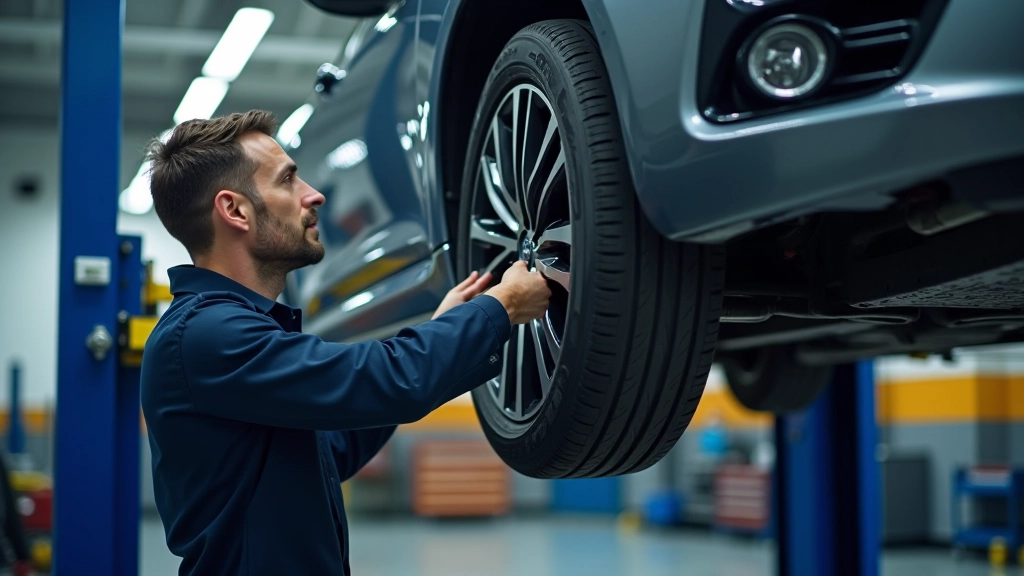
If you've noticed any of these signs, don't panic. Get a professional inspection — it's worth the $50-150 diagnostic fee to know what you're dealing with. Most suspension shops can identify problems in 30 minutes.
Early detection saves money. A $300 shock replacement done now beats a $1,500 repair bill in six months when damage spreads. And beyond cost, you're protecting your safety and the safety of others on the road.
Keep your eyes and ears open. Bouncing, uneven tire wear, pulling to one side, clunking sounds, and aggressive brake dive — these are your suspension's way of saying it needs help. Listen to them, and you'll catch problems before they become expensive headaches.

Related Articles