
Winter vs Summer Tires — What Actually Changes
The rubber compounds, tread patterns, and why temperature matters. Practical info for Hradec Králové's climate shifts.
Most people think tire differences are just about depth. They're not. Winter and summer tires are fundamentally different products designed for completely different conditions. When you switch between seasons, you're not just changing wear patterns — you're changing how your car grips the road, how it handles, and how safe you actually are. Let's break down what's actually happening.
The Rubber Compound: Temperature Matters More Than You'd Think
Here's the thing about rubber: it gets harder when it's cold. Summer tires use a compound designed to stay flexible and grip well in warm conditions. When temperatures drop below 7°C, that rubber starts to harden. You don't notice it at first, but the grip decreases noticeably.
Winter tires, on the other hand, are made with different polymers and more silica. They stay softer in cold temperatures — that's the whole point. This means better traction on ice and snow, but also more wear when it's warm. Drive winter tires in summer and you'll get 30-40% less lifespan. It's not a small difference.
Summer tires: harder compound, less silica. Winter tires: softer compound, more silica. The difference is real and measurable.
Educational Information
This article provides informational content about tire types and seasonal changes. Actual tire performance depends on many factors including road conditions, driving style, and vehicle specifications. Always consult your vehicle's manual and follow manufacturer recommendations for tire selection and maintenance. When in doubt, speak with a qualified tire technician.
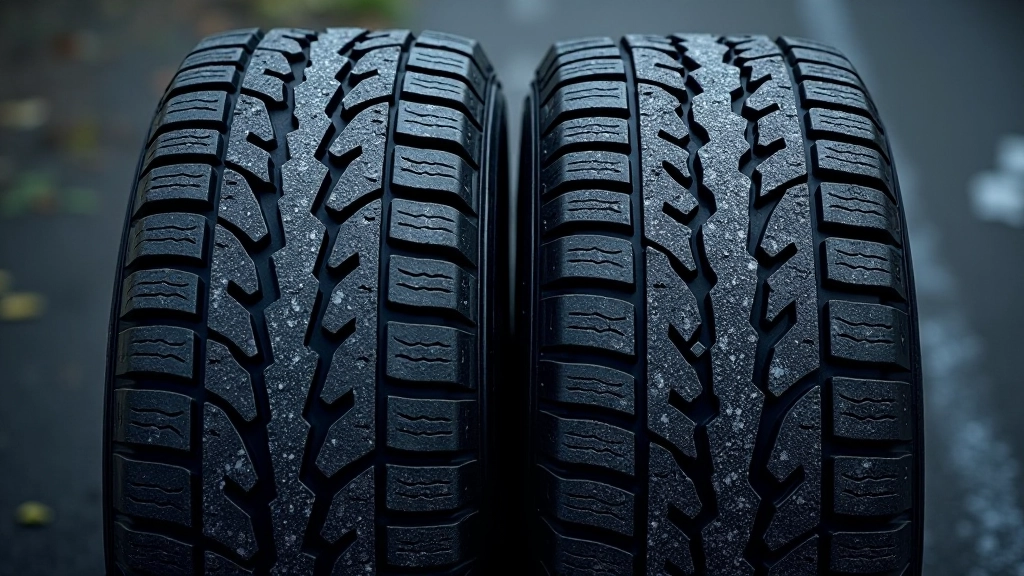
Tread Patterns: It's About Snow Evacuation
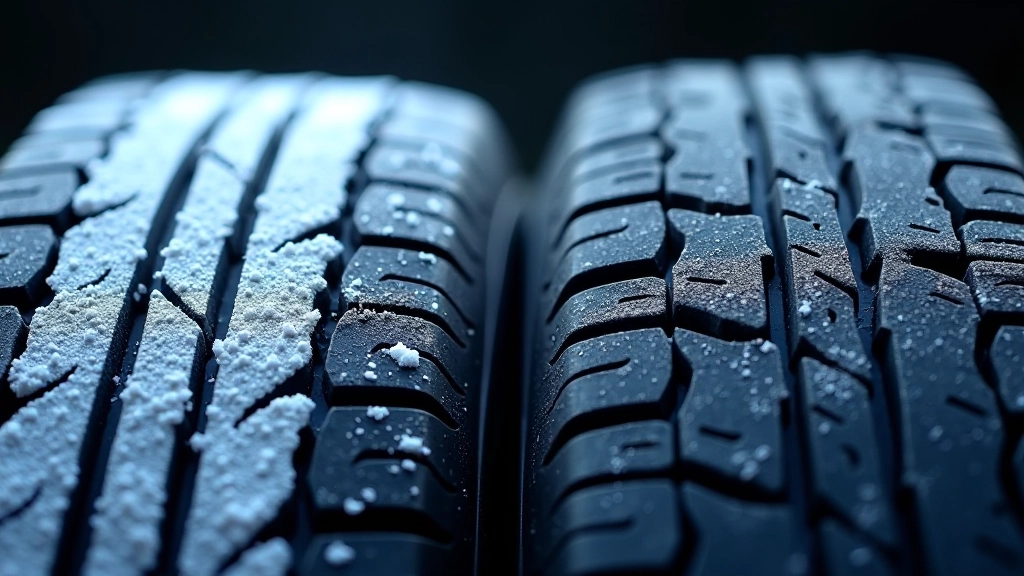
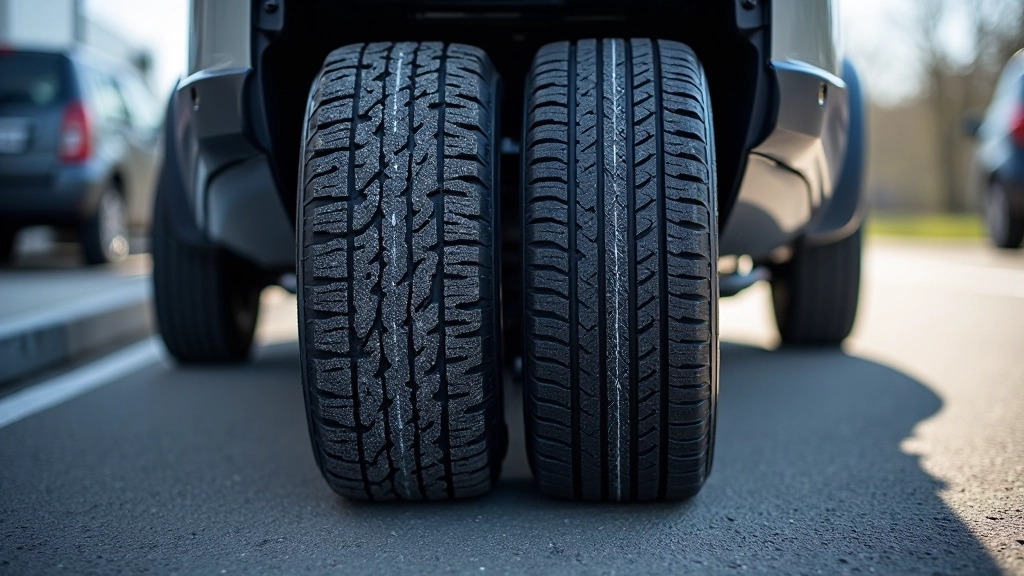
Look at a winter tire and you'll see more sipes — those tiny cuts in the tread blocks. Summer tires have fewer, bigger grooves. Why? Winter tires need to move water and snow out of the way quickly. Those sipes create edges that grip into snow and ice. Summer tires prioritize stability and longevity instead.
A winter tire might have 300+ sipes. A summer tire might have 20-30 grooves. It sounds extreme but it makes sense when you think about what each tire needs to do. Winter tires are built for traction in cold and snow. Summer tires are built for cornering performance and braking in warm conditions.
- Winter tires: More sipes, deeper grooves, softer compound
- Summer tires: Fewer sipes, shallower grooves, harder compound
- All-season: Compromise between both — less ideal for extremes
Why You Can't Just Use One Type Year-Round
Some people think "I'll just buy one set and deal with it." That doesn't work. Winter tires in summer wear out fast — you're looking at 6-8 weeks of summer driving before you notice real wear if you started with new tires. The softer compound just can't handle the heat.
And summer tires in winter? You're not just losing grip. You're losing safety. Braking distances on ice increase significantly. In Central European winters with ice and snow, it's not optional — it's essential.
40%
Less lifespan using winter tires in summer
7°C
Threshold where summer tires lose grip
30%+
Longer braking distance on ice with summer tires
What to Actually Do in Hradec Králové
For Hradec Králové specifically, the climate requires both. Winter typically runs November through March — that's 5 months of potential ice and snow. You'll want winter tires installed before October or early November, then switch back to summer tires in April.
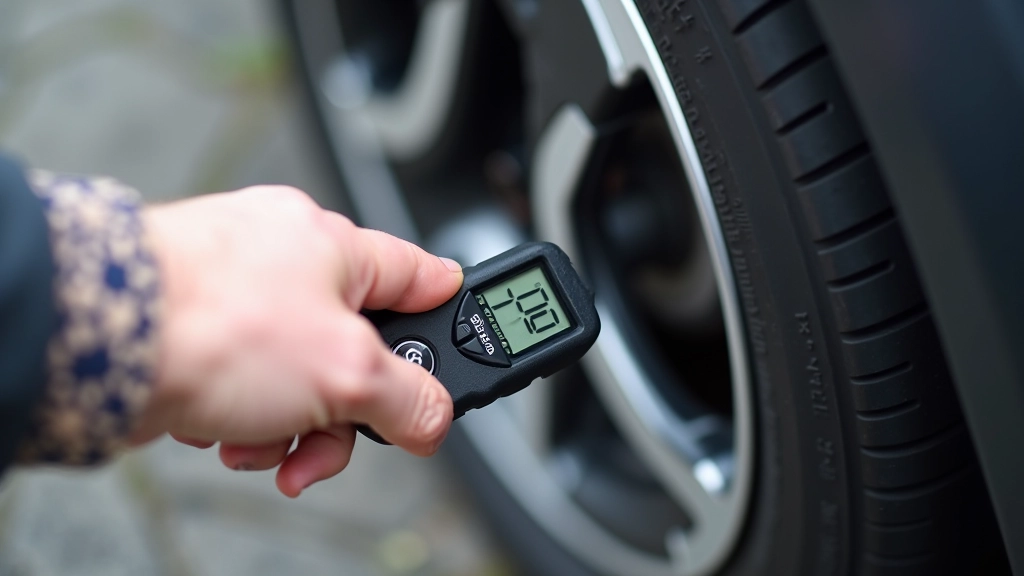
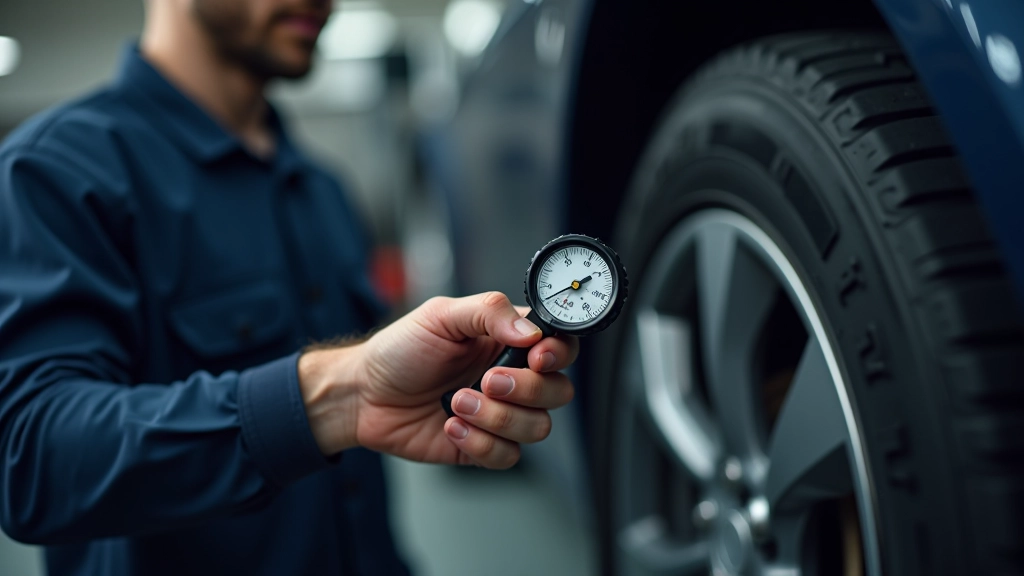
When you switch, check your tire pressure too. Cold weather reduces pressure by about 1 psi for every 10°C drop. Your winter tires might need adjustment when you first install them, and they'll need checking again as temperatures rise in spring.
Don't wait until the first snow to think about this. By October, good winter tires are getting scarce and prices go up. Plan ahead, get your tires changed early, and you'll avoid the rush.
The Bottom Line
Winter and summer tires aren't marketing gimmicks. They're engineered for different temperatures and conditions. The rubber compound, the sipes, the tread depth — all of it is optimized for specific weather. Using the right tire for the season isn't just about longevity, it's about safety. Your car stops, turns, and grips completely differently depending on which tires are on it. Make the switch when the season changes, check your pressure, and you'll notice the difference immediately.

Related Articles